Step into the world of Rhinoplasty (nose job) where precision meets beauty, uncovering the secrets of enhancing facial features with finesse. Get ready for a journey that will leave you amazed and informed!
Let’s dive into the different techniques, risks, benefits, and more to demystify the world of rhinoplasty.
Rhinoplasty (Nose Job)
Rhinoplasty, commonly known as a nose job, is a surgical procedure aimed at reshaping or resizing the nose to improve its appearance or function. This procedure can address various concerns such as a crooked nose, a bump on the bridge, a wide or bulbous tip, or breathing difficulties due to structural issues.
Types of Rhinoplasty Techniques
- Open Rhinoplasty: Involves making a small incision on the columella (the strip of skin between the nostrils) to lift the skin and access the underlying structures of the nose. This technique provides better visibility and control for more complex surgeries.
- Closed Rhinoplasty: Involves making incisions inside the nostrils, thus leaving no visible scarring on the outside of the nose. This technique is suitable for less complicated cases and typically results in a quicker recovery time.
Risks and Benefits of Rhinoplasty Surgery
- Risks: Potential risks of rhinoplasty surgery include infection, bleeding, breathing difficulties, asymmetry, and unsatisfactory results. It is essential to choose a qualified and experienced surgeon to minimize these risks.
- Benefits: The benefits of rhinoplasty surgery include improved facial harmony, enhanced self-confidence, corrected breathing issues, and overall satisfaction with the appearance of the nose.
Comparison of Open and Closed Rhinoplasty Procedures
| Open Rhinoplasty | Closed Rhinoplasty |
|---|---|
| Provides better visibility for the surgeon | Results in no visible external scarring |
| Allows for more complex surgeries | Generally leads to a quicker recovery time |
| May result in more swelling and longer recovery | Suitable for less complicated cases |
Cosmetic Surgery
Cosmetic surgery plays a crucial role in enhancing physical appearance and boosting self-confidence. One of the most popular cosmetic procedures is rhinoplasty, commonly known as a nose job. Let’s explore the significance of rhinoplasty in cosmetic surgery.
Role of Rhinoplasty in Cosmetic Surgery
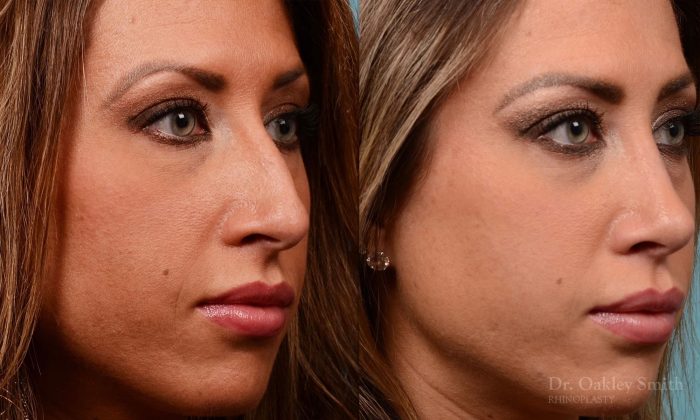
Rhinoplasty is not only performed for medical reasons but also to improve the aesthetic appearance of the nose. It can address various concerns such as a bump on the bridge of the nose, a drooping tip, a wide nostril base, or asymmetry. By reshaping the nose, rhinoplasty can help individuals achieve a more balanced and harmonious facial profile.
- Rhinoplasty can be combined with other cosmetic procedures to enhance overall facial harmony. For example, it is often performed alongside chin augmentation to create a more proportionate profile.
- In some cases, patients opt for rhinoplasty in conjunction with eyelid surgery (blepharoplasty) to rejuvenate the appearance of the eyes and nose simultaneously.
- Lip augmentation or reduction procedures can complement rhinoplasty by creating symmetry between the nose and lips, enhancing overall facial aesthetics.
Enhancing Facial Aesthetics with Rhinoplasty
Rhinoplasty can significantly enhance facial aesthetics by improving the balance and proportion of the nose in relation to other facial features. By correcting structural issues and reshaping the nose, rhinoplasty can help individuals achieve a more attractive and harmonious facial appearance.
- Rhinoplasty can refine the nasal tip, reduce the size of the nostrils, or straighten a crooked nose, resulting in a more visually appealing profile.
- By addressing aesthetic concerns such as a dorsal hump or nasal asymmetry, rhinoplasty can bring balance to the face and boost overall facial symmetry.
Pre-operative and Post-operative Care for Rhinoplasty Patients
Proper care before and after rhinoplasty is essential to ensure optimal results and a smooth recovery process. Patients are typically advised to follow specific guidelines to prepare for surgery and facilitate healing post-operation.
Pre-operative care may involve avoiding certain medications, quitting smoking, and discussing expectations and concerns with the surgeon.
Post-operative care includes keeping the head elevated, avoiding strenuous activities, and following the surgeon’s instructions for wound care and medication.
Foot Health
After undergoing rhinoplasty surgery, it is important to consider the potential impact on your overall foot health. While it may seem unrelated, there are certain factors to keep in mind to ensure a smooth and successful recovery.
Proper Footwear Post-Rhinoplasty Surgery
Choosing the right footwear is crucial after rhinoplasty surgery to avoid any complications and aid in the healing process. Here are some tips to keep in mind:
- Avoid high heels or shoes with pointed toes, as they can put pressure on your feet and affect your posture.
- Opt for comfortable, supportive shoes with cushioning to reduce any strain on your feet.
- Consider wearing open-toe sandals or sneakers to provide ample space for your feet to breathe and heal properly.
Maintaining Foot Health During Recovery
During the recovery period following rhinoplasty surgery, it is essential to take care of your feet to prevent any issues that may arise. Here are some tips to help maintain foot health:
- Elevate your feet to reduce swelling and promote proper circulation.
- Perform gentle foot exercises to prevent stiffness and improve blood flow.
- Avoid standing or walking for extended periods to give your feet ample rest and time to recover.
- Stay hydrated and maintain a healthy diet to support overall healing and well-being.
Heart Disease
When considering rhinoplasty surgery, it is important to take into account the health of your heart. There may be potential connections between rhinoplasty and heart disease that need to be considered.
Importance of Healthy Heart Before Rhinoplasty
Before undergoing rhinoplasty surgery, it is crucial to ensure that your heart is in good condition. An unhealthy heart can pose risks during surgery and affect the recovery process.
Lifestyle Changes for Heart Health and Recovery
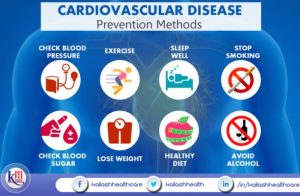
- Regular Exercise: Engaging in physical activity not only improves heart health but also aids in a quicker recovery from rhinoplasty.
- Healthy Diet: Consuming a balanced diet rich in fruits, vegetables, and lean proteins can benefit both heart health and the healing process post-surgery.
- Stress Management: Stress can negatively impact heart health and recovery from surgery. Implementing stress-reducing techniques such as meditation or yoga can be beneficial.
- Quitting Smoking: Smoking is harmful to the heart and can impede the healing process after rhinoplasty. Quitting smoking can improve overall health outcomes.
- Adequate Sleep: Getting enough rest is essential for heart health and plays a crucial role in the recovery process after surgery.
Health Diabetes
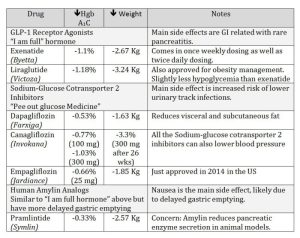
Diabetes is a chronic condition that affects the body’s ability to regulate blood sugar levels. When it comes to rhinoplasty surgery, diabetes can pose some challenges and impact the outcomes of the procedure. It is essential for patients with diabetes to take necessary precautions and considerations before undergoing rhinoplasty to ensure a safe and successful surgery.
Effects of Diabetes on Rhinoplasty Surgery
- Delayed Healing: Diabetes can slow down the healing process after rhinoplasty surgery, leading to prolonged recovery time.
- Infection Risk: Patients with diabetes are at a higher risk of developing infections post-surgery due to compromised immune function.
- Blood Sugar Management: Fluctuations in blood sugar levels can affect the body’s response to anesthesia and medications used during surgery.
Precautions and Considerations for Rhinoplasty Patients with Diabetes
- Consultation with Endocrinologist: Patients with diabetes should consult with their endocrinologist to ensure their condition is well-managed before undergoing rhinoplasty.
- Monitoring Blood Sugar Levels: It is crucial for patients to monitor their blood sugar levels closely before and after surgery to prevent complications.
- Extended Recovery Period: Rhinoplasty patients with diabetes may require a longer recovery period to allow for proper healing.
Role of Blood Sugar Management in Rhinoplasty Recovery
- Stable Blood Sugar Levels: Maintaining stable blood sugar levels is key to promoting optimal healing and reducing the risk of complications during the recovery process.
- Medication Adjustments: Patients may need to adjust their diabetes medications in consultation with their healthcare provider to ensure a smooth recovery from rhinoplasty.
- Diet and Exercise: Following a healthy diet and exercise regimen can help regulate blood sugar levels and support the body’s healing process post-surgery.
Eating Disorders
Eating disorders can have a significant impact on an individual’s body image and self-esteem, leading them to seek cosmetic procedures like rhinoplasty to address perceived flaws.
Relationship Between Eating Disorders and Rhinoplasty
- Individuals with eating disorders may fixate on certain aspects of their appearance, including their nose, as a way to gain control over their bodies.
- Some may believe that changing their physical features, such as getting a nose job, will improve their self-worth and confidence.
- The desire for rhinoplasty can sometimes be a manifestation of deeper emotional issues related to body image and self-acceptance.
Psychological Impact of Rhinoplasty on Individuals with Eating Disorders
- Rhinoplasty may temporarily boost the self-esteem of individuals with eating disorders, but it is unlikely to address the underlying psychological issues driving their dissatisfaction with their appearance.
- There is a risk that individuals with eating disorders may develop a distorted perception of their bodies post-surgery, leading to further dissatisfaction and potentially dangerous behaviors.
- It is crucial for individuals with eating disorders to undergo thorough psychological evaluation and counseling before considering rhinoplasty to ensure they are in a healthy mental state.
Addressing Body Image Concerns Before Rhinoplasty
- Seeking therapy or counseling to work through body image issues and self-esteem concerns can be beneficial before undergoing rhinoplasty.
- Engaging in activities that promote self-love and acceptance, such as mindfulness practices or self-care routines, can help individuals develop a healthier relationship with their bodies.
- Consulting with a mental health professional who specializes in eating disorders can provide valuable insight and support in addressing underlying emotional issues before making decisions about cosmetic surgery.
Conclusive Thoughts
As we close this discussion, remember that rhinoplasty is not just a procedure; it’s an art form that can transform lives. With the right knowledge and care, you can achieve the facial harmony you’ve always desired.
Expert Answers
Can rhinoplasty improve breathing along with aesthetics?
Yes, rhinoplasty can address both cosmetic concerns and functional issues related to breathing.
Is rhinoplasty suitable for all ages?
Rhinoplasty is typically recommended for individuals above the age of 18 when the nose has fully developed.
How long does it take to recover from rhinoplasty?
Recovery time varies, but most patients can expect to resume normal activities within 1-2 weeks post-surgery.
Can rhinoplasty fix a deviated septum?
Yes, rhinoplasty can correct a deviated septum, improving both nasal appearance and breathing.