Embark on a journey through the world of heart disease treatment options, where lifestyle changes, medications, and surgical procedures play a vital role in maintaining a healthy heart. Get ready to explore the ins and outs of managing heart health with this informative and engaging guide.
Heart Disease Treatment Options

Heart disease treatment options encompass a variety of approaches to manage and improve heart health. These include lifestyle changes, medication, and surgical procedures tailored to individual needs.
Lifestyle Changes for Managing Heart Disease
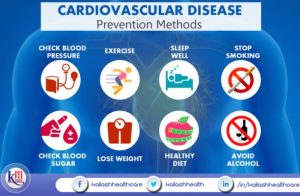
Adopting a healthy lifestyle is crucial in managing heart disease. This includes maintaining a balanced diet low in saturated fats and cholesterol, engaging in regular exercise, quitting smoking, and managing stress effectively.
Role of Medication in Treating Heart Disease
- Medication plays a key role in controlling heart disease risk factors such as high blood pressure, high cholesterol, and blood clot formation.
- Common medications include statins, beta-blockers, ACE inhibitors, and antiplatelet drugs, prescribed based on individual needs and conditions.
- It is essential to follow the prescribed medication regimen diligently and consult healthcare providers for any concerns or side effects.
Surgical Procedures for Heart Disease Treatment
- For severe cases of heart disease, surgical interventions may be necessary to restore blood flow, repair damaged heart tissue, or correct structural abnormalities.
- Common surgical procedures include coronary artery bypass grafting (CABG), angioplasty with stent placement, valve replacement, and heart transplant.
- Surgical options are typically considered when lifestyle changes and medication are insufficient in managing heart disease effectively.
Cosmetic Surgery
Cosmetic surgery refers to procedures performed to enhance a person’s appearance. These procedures can range from facial rejuvenation to body contouring, and are often sought out to improve self-confidence and overall well-being.
Common Cosmetic Surgery Procedures
- Rhinoplasty (nose job): This procedure reshapes the nose to improve its appearance or function.
- Breast augmentation: Involves the use of implants to increase breast size or improve symmetry.
- Liposuction: Removes excess fat from different areas of the body to create a more contoured shape.
- Facelift: Helps reduce signs of aging by tightening facial muscles and removing excess skin.
Risks and Benefits
While cosmetic surgery can provide significant benefits, it also comes with potential risks. Some risks include infection, scarring, and anesthesia complications. However, the benefits can include improved self-esteem and confidence.
Recovery Process
The recovery process after cosmetic surgery varies depending on the procedure performed. Patients may experience swelling, bruising, and discomfort, but following post-operative instructions can help promote healing and minimize complications.
Non-Invasive Procedures
- Botox injections: Used to reduce wrinkles and fine lines by temporarily paralyzing facial muscles.
- Dermal fillers: Help restore volume and smooth out wrinkles in areas like the cheeks and lips.
- Laser hair removal: Removes unwanted hair by targeting hair follicles with laser energy.
Foot Health
Maintaining good foot health is essential for overall well-being as our feet play a crucial role in our daily activities. From walking to running, our feet support our body weight and help us move around comfortably. Neglecting foot health can lead to various problems that can affect our mobility and quality of life.
Common Foot Problems and Treatments
- Plantar Fasciitis: Inflammation of the tissue that connects the heel bone to the toes. Treatment includes rest, ice, stretching exercises, and orthotic inserts.
- Bunions: Bony bumps that form on the joint at the base of the big toe. Treatment may involve wearing padded shoe inserts, changing footwear, or surgery in severe cases.
- Ingrown Toenails: Toenails that grow into the skin instead of over it. Treatment includes soaking the foot in warm water, wearing comfortable shoes, and in severe cases, surgery may be required.
Tips for Maintaining Good Foot Hygiene
- Wash your feet daily with warm water and soap.
- Keep your toenails trimmed straight across to avoid ingrown toenails.
- Moisturize your feet regularly to prevent dry, cracked skin.
- Avoid walking barefoot in public places to prevent infections.
Choosing the Right Footwear for Foot Health
- Ensure that your shoes provide proper arch support and cushioning.
- Avoid high heels for long periods as they can cause foot strain and deformities.
- Choose shoes that are the right size and shape for your feet to prevent discomfort and injuries.
- Consider orthotic inserts if you have specific foot conditions that require extra support.
Health Diabetes
Diabetes is a chronic condition that affects how your body processes glucose (sugar) in the blood. It can have a significant impact on overall health, including increasing the risk of developing heart disease.
Relationship between Diabetes and Heart Disease
Individuals with diabetes are at a higher risk of developing heart disease compared to those without diabetes. This is because high blood sugar levels can damage the blood vessels and the nerves that control the heart. Additionally, diabetes is often associated with other risk factors for heart disease, such as high blood pressure and high cholesterol levels.
Impact of Diabetes on Overall Health
- Increased risk of heart disease, stroke, and other cardiovascular complications
- Nerve damage (neuropathy) leading to issues such as numbness, tingling, or pain in the hands and feet
- Kidney damage (nephropathy) resulting in decreased kidney function
- Potential complications with eyesight, including diabetic retinopathy
Treatment Options for Managing Diabetes
- Monitoring blood sugar levels regularly
- Following a healthy diet rich in fruits, vegetables, whole grains, and lean proteins
- Engaging in regular physical activity to help control blood sugar levels
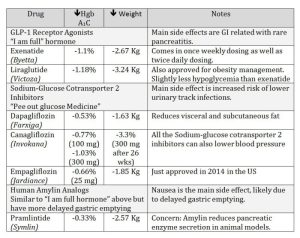
- Taking prescribed medications, such as insulin or oral hypoglycemic agents
Lifestyle Changes to Control Diabetes
- Avoiding sugary drinks and foods high in refined carbohydrates
- Maintaining a healthy weight through diet and exercise
- Quitting smoking, as it can worsen diabetes complications
- Managing stress through relaxation techniques or mindfulness practices
Eating Disorders
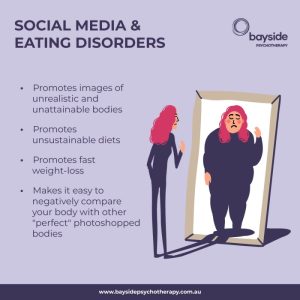
Eating disorders are serious mental health conditions characterized by unhealthy eating habits that can have a detrimental impact on a person’s physical and emotional well-being. There are several different types of eating disorders, each with its own set of symptoms and challenges.
Types of Eating Disorders
- Anorexia Nervosa: Individuals with anorexia have an intense fear of gaining weight and often restrict their food intake to dangerous levels.
- Bulimia Nervosa: People with bulimia engage in binge eating followed by purging behaviors such as vomiting or excessive exercise.
- Binge Eating Disorder: This disorder involves recurrent episodes of uncontrollable eating, often resulting in feelings of guilt and shame.
- Other Specified Feeding or Eating Disorder (OSFED): OSFED encompasses a range of disordered eating behaviors that do not fit the criteria for other specific disorders.
Effects of Eating Disorders
- Physical Effects: Eating disorders can lead to a variety of physical health problems, including malnutrition, electrolyte imbalances, and heart complications.
- Mental Health Effects: These disorders can also have a profound impact on mental well-being, causing anxiety, depression, and a distorted body image.
Treatment Options
- Therapy: Cognitive-behavioral therapy (CBT) and other forms of psychotherapy can help individuals address the underlying causes of their eating disorder.
- Medical Monitoring: In severe cases, medical professionals may need to monitor a person’s physical health and provide necessary interventions.
- Nutritional Counseling: Working with a dietitian can help individuals develop healthier eating habits and repair their relationship with food.
Supporting Someone with an Eating Disorder
- Be Understanding: Show empathy and avoid judgment when discussing their struggles with food and body image.
- Encourage Professional Help: Encourage them to seek support from mental health professionals and treatment programs specializing in eating disorders.
- Provide Emotional Support: Offer a listening ear and emotional support during difficult times, emphasizing that recovery is possible with help.
Conclusion
As we conclude our exploration of heart disease treatment options, remember that taking proactive steps towards heart health can lead to a happier and healthier life. With the right knowledge and tools at your disposal, managing heart disease becomes an achievable goal.
Top FAQs
What are some non-invasive treatment options for heart disease?
Non-invasive treatments for heart disease include lifestyle modifications, such as dietary changes and regular exercise, as well as medications to manage risk factors like high blood pressure and cholesterol.
How important are lifestyle changes in managing heart disease?
Lifestyle changes are crucial in managing heart disease as they can help improve overall heart health, reduce risk factors, and enhance quality of life. They often complement other treatment options for better outcomes.
Are there any alternative therapies for heart disease treatment?
While traditional treatments like medications and surgeries are common, some people explore alternative therapies such as acupuncture, yoga, or herbal supplements. It’s essential to consult healthcare professionals before trying any alternative treatments.