Get ready to dive into the world of heart failure management, where we unravel the complexities of this condition with a touch of flair and expert insight.
From understanding the basics to exploring advanced strategies, this guide has it all
Overview of Heart Failure Management
Heart failure is a condition where the heart is unable to pump enough blood to meet the body’s needs. This can lead to symptoms like shortness of breath, fatigue, and swelling in the legs. The goals of heart failure management are to improve symptoms, slow disease progression, and improve quality of life. Early detection and treatment are crucial to prevent complications and improve outcomes.
Medications for Heart Failure
- ACE Inhibitors: These medications help relax blood vessels, lower blood pressure, and improve blood flow.
- Beta-Blockers: They reduce heart rate and blood pressure, relieving strain on the heart.
- Diuretics: These medications help the body get rid of excess fluid, reducing swelling and shortness of breath.
Each type of medication plays a specific role in improving heart function and managing symptoms. It is important for patients to understand potential side effects and adhere to their medication regimen to achieve optimal results.
Lifestyle Changes and Heart Failure
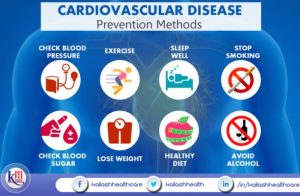
- Diet and Exercise: A heart-healthy diet low in salt and saturated fats, along with regular exercise, can help improve heart function and overall health.
- Tips for Patients: Patients should aim to maintain a healthy weight, monitor their fluid intake, and follow a medication schedule as prescribed.
- Stress Management: Managing stress and maintaining mental well-being are important aspects of heart failure management, as stress can worsen symptoms and impact overall health.
Monitoring and Follow-Up Care
- Recommended Monitoring: Patients with heart failure should undergo regular check-ups, blood tests, and imaging studies to assess heart function and disease progression.
- Regular Check-Ups: Regular visits to healthcare providers are essential for adjusting medications, addressing new symptoms, and monitoring progress.
- Role of Healthcare Providers: Healthcare providers play a key role in supporting patients with heart failure by providing education, monitoring symptoms, and coordinating care.
Cosmetic Surgery
Cosmetic surgery offers a range of procedures to enhance or alter one’s appearance, providing individuals with the opportunity to achieve their desired aesthetic goals. It is crucial to understand the risks and benefits associated with cosmetic surgery and to select a qualified and experienced surgeon to ensure a safe and successful outcome.
Types of Cosmetic Surgery Procedures
- Rhinoplasty: Also known as a nose job, this procedure aims to reshape the nose for cosmetic or functional purposes.
- Breast Augmentation: Involves enhancing the size and shape of the breasts using implants or fat transfer.
- Liposuction: Removes excess fat deposits from specific areas of the body to improve contours.
- Facelift: Addresses signs of aging by lifting and tightening facial tissues.
Risks and Benefits of Cosmetic Surgery
- Risks: Potential risks include infection, scarring, anesthesia complications, and dissatisfaction with results.
- Benefits: Cosmetic surgery can boost self-confidence, improve body image, and address physical imperfections.
Choosing a Qualified Surgeon
- Verify the surgeon’s credentials, experience, and certifications in cosmetic surgery.
- Review before-and-after photos of previous patients to assess the surgeon’s skill and expertise.
- Ensure the surgical facility is accredited and equipped with the necessary technology for safe procedures.
Foot Health

Proper foot care is essential for overall well-being, as foot health issues can impact mobility and quality of life. Understanding common conditions and adopting preventive measures can help maintain healthy feet.
Common Foot Health Issues and Conditions
- Plantar Fasciitis: Inflammation of the thick band of tissue that connects the heel to the toes, causing heel pain.
- Bunions: Bony bumps that form at the base of the big toe, leading to pain and deformity.
- Ingrown Toenails: Occur when the corner or side of a toenail grows into the skin, causing pain and infection.
- Athlete’s Foot: Fungal infection that causes itching, burning, and cracked skin between the toes.
Maintaining Good Foot Health
- Practice proper hygiene by washing feet daily and keeping them dry to prevent infections.
- Wear comfortable and properly fitting shoes to support the feet and prevent conditions like bunions and corns.
- Regularly trim toenails straight across to avoid ingrown toenails and maintain proper foot care.
Importance of Proper Footwear and Foot Care Routines
- Choose shoes with adequate arch support and cushioning to prevent foot pain and discomfort.
- Rotate shoes to allow them to air out and reduce the risk of fungal infections or foot odor.
- Perform foot exercises and stretches to improve circulation and maintain flexibility in the feet.
Eating Disorders
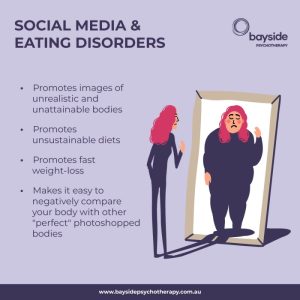
Eating disorders are serious mental health conditions that can have a profound impact on a person’s physical and emotional well-being. These disorders are characterized by disturbances in eating behavior, which can lead to severe disruptions in the individual’s overall health.
Types of Eating Disorders
- Anorexia Nervosa: An eating disorder characterized by an intense fear of gaining weight, leading to restricted food intake and excessive weight loss.
- Bulimia Nervosa: Individuals with bulimia engage in episodes of binge eating followed by purging behaviors such as vomiting or excessive exercise.
- Binge Eating Disorder: This disorder involves recurrent episodes of consuming large quantities of food without compensatory behaviors, leading to feelings of guilt and shame.
Impact on Overall Health
- Eating disorders can result in severe nutritional deficiencies, electrolyte imbalances, and damage to vital organs such as the heart, kidneys, and liver.
- Mental health complications such as depression, anxiety, and social isolation are common among individuals struggling with eating disorders.
- In severe cases, eating disorders can be life-threatening and require immediate medical intervention.
Importance of Early Detection and Intervention
- Early detection of eating disorders is crucial for preventing long-term physical and psychological consequences.
- Intervention through therapy, nutritional counseling, and medical monitoring can help individuals recover from eating disorders and develop a healthy relationship with food.
Resources and Support Options
- Therapeutic interventions such as cognitive-behavioral therapy (CBT) and dialectical behavior therapy (DBT) have been effective in treating eating disorders.
- Support groups, helplines, and online resources provide individuals with a network of support and guidance throughout their recovery journey.
- Consulting with a registered dietitian or nutritionist can help individuals establish balanced eating habits and improve their overall nutritional status.
Closing Notes
As we conclude this journey through heart failure management, remember that knowledge is power when it comes to taking charge of your heart health.
Key Questions Answered
What are the main goals of heart failure management?
The main goals include improving symptoms, slowing the progression of the condition, reducing hospitalizations, and improving quality of life.
How does diet affect heart failure management?
A heart-healthy diet low in sodium and rich in fruits, vegetables, and lean proteins can help manage heart failure by reducing strain on the heart.
Why is early detection crucial in heart failure management?
Early detection allows for timely intervention and treatment, which can prevent the condition from worsening and improve outcomes.