Signs of a heart attack sets the stage for this enthralling narrative, offering readers a glimpse into a story that is rich in detail with entertaining interactive style and brimming with originality from the outset.
When it comes to heart health, knowing the signs of a heart attack is crucial. From chest pain to less typical symptoms, understanding the warning signs can save lives. Let’s dive into the key indicators that could signal a heart attack and what to look out for.
Signs of a heart attack

Heart attacks can present with a variety of symptoms, some more common than others. It’s essential to recognize the signs early to seek medical help promptly.
Common symptoms:
- Chest pain or discomfort: This is the most common symptom of a heart attack, often described as pressure, squeezing, or fullness in the chest.
- Shortness of breath: Feeling like you can’t catch your breath, even with minimal exertion, is another common sign.
- Pain in other areas of the body: Discomfort in the arms, back, neck, jaw, or stomach can also indicate a heart attack.
- Cold sweats, nausea, or lightheadedness: These symptoms may accompany chest pain during a heart attack.
Chest pain vs. other symptoms:
Chest pain during a heart attack is typically more intense and prolonged than chest discomfort from other causes, such as indigestion or muscle strain. It may come and go, or persist for several minutes.
Less typical signs:
- Fatigue: Unexplained tiredness, especially in women, could be a sign of a heart attack.
- Heartburn or stomach pain: Sometimes mistaken for indigestion, this discomfort can be a symptom of a heart issue.
- Breaking out in a cold sweat: Sweating without any physical exertion or reason could be a sign of a heart problem.
Cosmetic Surgery
Cosmetic surgery is a medical specialty that focuses on enhancing a person’s appearance through surgical and medical techniques. It can be performed on various parts of the body to improve aesthetic appeal or address specific concerns.
Most Popular Cosmetic Surgery Procedures
- Rhinoplasty (nose reshaping): This procedure involves reshaping the nose to improve its appearance or function.
- Breast augmentation: A surgery to increase the size or change the shape of the breasts using implants or fat transfer.
- Liposuction: A procedure to remove excess fat from different areas of the body through suction.
- Facelift: A surgery to reduce sagging skin and wrinkles on the face and neck.
Risks Associated with Cosmetic Surgery
- Infection: Any surgical procedure carries a risk of infection, which can lead to complications.
- Scarring: Depending on the procedure, scarring may occur, and it could be more prominent in some individuals.
- Adverse reactions to anesthesia: Anesthesia used during surgery can sometimes cause allergic reactions or other complications.
Preparing for Cosmetic Surgery and Recovery Process
Before undergoing cosmetic surgery, it is essential to follow your surgeon’s instructions carefully. This may include avoiding certain medications, preparing your home for recovery, and arranging for someone to assist you post-surgery.
The recovery process varies depending on the type of cosmetic surgery performed. It is crucial to follow all post-operative care instructions provided by your surgeon to ensure proper healing and optimal results.
Foot Health
Maintaining good foot health is crucial for overall well-being as our feet support the entire weight of our bodies and are essential for mobility. Neglecting foot care can lead to various issues that can impact our daily activities and quality of life. Here are some tips for keeping your feet healthy:
Tips for Maintaining Healthy Feet
- Avoid wearing ill-fitting shoes that can cause blisters, corns, and calluses. Opt for comfortable shoes with proper arch support.
- Keep your feet clean and dry to prevent fungal infections like athlete’s foot.
- Trim your toenails straight across to avoid ingrown toenails.
- Moisturize your feet regularly to prevent dry, cracked skin.
- Practice good foot hygiene by washing your feet daily and drying them thoroughly, especially between the toes.
Common Foot Conditions and Prevention
- Bunions: Bunions are bony bumps that form on the joint at the base of the big toe. To prevent bunions, wear shoes that fit properly and have a wide toe box.
- Plantar Fasciitis: This condition causes heel pain due to inflammation of the plantar fascia. Stretching exercises and proper footwear can help prevent plantar fasciitis.
- Ingrown Toenails: Ingrown toenails occur when the edge of the nail grows into the surrounding skin. Trim your toenails straight across and avoid cutting them too short to prevent ingrown toenails.
- Corns and Calluses: Corns and calluses are thickened areas of skin caused by friction or pressure. Wear proper-fitting shoes and use cushioning pads to prevent corns and calluses.
Heart Disease
Heart disease refers to a range of conditions that affect the heart, including blood vessel diseases, heart rhythm problems, and structural issues. The most common type is coronary artery disease, which can lead to heart attacks.
Types of Heart Disease
- Coronary Artery Disease: Build-up of plaque in the arteries that supply blood to the heart.
- Heart Failure: Heart cannot pump enough blood to meet the body’s needs.
- Arrhythmia: Irregular heartbeats, which can be too slow or too fast.
- Heart Valve Problems: Malfunctioning of the valves that regulate blood flow in the heart.
Risk Factors for Heart Disease
- High Blood Pressure: Increases the workload on the heart.
- High Cholesterol Levels: Build-up of plaque in the arteries.
- Smoking: Damages blood vessels and can lead to atherosclerosis.
- Diabetes: Increases the risk of heart disease significantly.
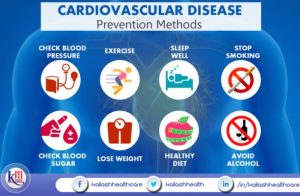
Lifestyle Changes to Prevent Heart Disease
- Healthy Diet: Low in saturated fats, cholesterol, and sodium, rich in fruits, vegetables, and whole grains.
- Regular Exercise: Helps maintain a healthy weight and improves heart health.
- Quit Smoking: Reduces the risk of heart disease and other health issues.
- Manage Stress: High stress levels can contribute to heart disease.
Health Diabetes
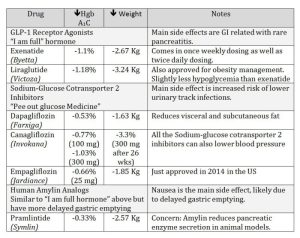
Diabetes is a chronic condition that affects how your body processes glucose (sugar). There are two main types of diabetes: type 1 and type 2.
Differentiating between Type 1 and Type 2 Diabetes
- Type 1 diabetes is an autoimmune disease where the immune system attacks the cells in the pancreas that produce insulin. This results in little to no insulin production in the body.
- Type 2 diabetes is more common and usually develops in adults. In this type, the body either doesn’t produce enough insulin or becomes resistant to insulin, leading to high blood sugar levels.
How Diabetes Affects Overall Health
- Diabetes can lead to serious complications such as heart disease, stroke, kidney disease, vision problems, and nerve damage.
- Uncontrolled diabetes can affect almost every part of the body and increase the risk of infections and slow wound healing.
Tips for Managing Diabetes through Diet and Exercise
- Follow a balanced diet rich in fruits, vegetables, whole grains, lean proteins, and healthy fats. Limit the intake of sugary and processed foods.
- Stay physically active with regular exercise such as brisk walking, swimming, or cycling to help control blood sugar levels and improve insulin sensitivity.
- Monitor blood sugar levels regularly and work closely with healthcare providers to adjust medication and treatment plans as needed.
Eating Disorders
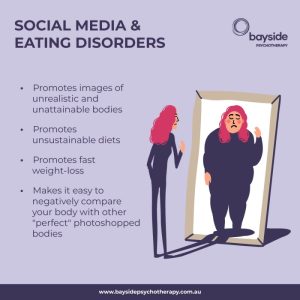
Eating disorders are serious mental health conditions characterized by unhealthy eating habits that can have severe physical and emotional consequences. Two common eating disorders are anorexia nervosa and bulimia nervosa.
Anorexia Nervosa
Anorexia nervosa is an eating disorder characterized by an intense fear of gaining weight, leading to restrictive eating habits and excessive exercise. Individuals with anorexia often have a distorted body image and may see themselves as overweight even when they are underweight. Some common symptoms of anorexia include extreme weight loss, fatigue, dizziness, and hair loss.
Bulimia Nervosa
Bulimia nervosa is an eating disorder characterized by episodes of binge eating followed by purging behaviors such as vomiting, excessive exercise, or the use of laxatives. Individuals with bulimia may have a normal body weight, making it harder to detect compared to anorexia. Some symptoms of bulimia include frequent fluctuations in weight, swollen glands, and dental problems due to frequent vomiting.
Effects of Eating Disorders
- Eating disorders can have serious physical consequences such as heart problems, gastrointestinal issues, and hormonal imbalances.
- Mentally, eating disorders can lead to depression, anxiety, social withdrawal, and a preoccupation with food and body image.
- Left untreated, eating disorders can be life-threatening and require professional intervention and support.
Resources and Support
- National Eating Disorders Association (NEDA) offers a helpline and online resources for individuals seeking help with eating disorders.
- Therapy and counseling can be beneficial in addressing the underlying emotional issues contributing to the development of eating disorders.
- Support groups provide a sense of community and understanding for individuals struggling with eating disorders.
Conclusion
As we wrap up our discussion on the signs of a heart attack, remember that being aware of these symptoms and seeking prompt medical attention can make a significant difference in outcomes. Stay informed, stay vigilant, and take care of your heart health.
Commonly Asked Questions
What are the common symptoms of a heart attack?
The common symptoms include chest pain, shortness of breath, nausea, and lightheadedness.
How does chest pain differ from other heart attack symptoms?
Chest pain is often described as a feeling of pressure, squeezing, or fullness, while other symptoms can include discomfort in other areas of the upper body, shortness of breath, and cold sweats.
What are some less typical signs that could indicate a heart attack?
Less typical signs may include jaw pain, back pain, and extreme fatigue.